Matt Bain, MD: Neurologial Consulting

Be heard. Get answers. Find hope.

About Matt Bain, MD
Neurological Consulting

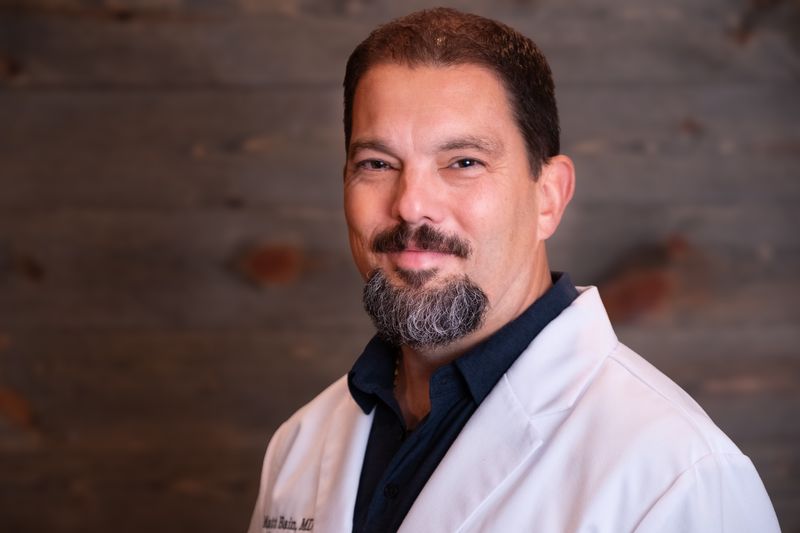
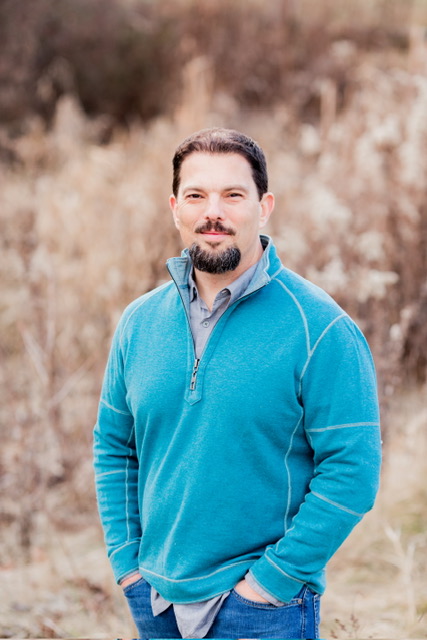
Dr. Matt Bain

Dr. Bain is a board-certified neurologist experienced in treating patients with common and complex neurologic disorders. His lifelong fascination with consciousness was bolstered while majoring in chemistry and minoring in philosophy at Butler University. After completing medical school and neurology residency at Indiana University School of Medicine, Dr. Bain worked as a staff physician for 18 years at Methodist Hospital in Indianapolis helping to care for the state's most complicated neurologic patients. His expertise in caring for his patients has spanned from the ICU to the clinic. His passion for teaching in his role as an academic clinical neurologist led to consistent accolades from his students, residents and fellows. He resigned in early 2023 to start a direct pay medical practice. As the founder and owner of Matt Bain, MD, LLC, he now serves his patients directly in a direct-pay model independent of insurance. This model allows him to dedicate the time necessary to confidently diagnose his patients and carefully craft a plan for treating them with a functional medicine approach. He is committed to asking better questions and finding better answers for the neurologic conditions which his patients have. Dr. Bain believes that our bodies are designed to heal and that this natural process is impaired by exposure to countless toxins which limit our longevity and well-being. His passion is to pursue treatments which unlock our bodies' innate healing ability.

While living in central Indiana, Dr. Bain is licensed in multiple states offering in-person and virtual visits.
Conditions Treated

Stroke / Vascular Neurology
Stroke is one of the leading causes of death and disability in the U.S. and the world. While prevention is clearly the priority, many who suffer strokes are left with long-term complications including spasticity, weakness, imbalance, communication impairment and mood disorders. Immediate treatment of stroke inevitably occurs in the hospital setting. The goal is to keep patients from ever experiencing a stroke in the first place. Structural heart disease, arrhythmias, diseases affecting the blood vessels and blood disorders which affect clotting must all be considered when evaluating the causes of stroke. For those who have already suffered a stroke it is imperative to identify and reduce their risks for recurrent stroke while helping them optimize longterm recovery through a multidisciplinary approach.
Peripheral Neuropathy (Guillain-Barre Syndrome / CIDP / Small-fiber Neuropathy / CMT)
Neuropathy can affect both motor and sensory nerves. Symptoms can range from severe weakness to sensory loss with complex symptoms running the spectrum. In the simplest terms, nerves are the most sophisticated wires in the natural world. Similar to any wire found in our homes, nerves are made up of an inner wire (axon) encased in an insulated covering (myelin). Damage to nerves can occur to either, or both, parts of the nerve. While diabetes is the most common cause of neuropathy in the U.S. other common causes are inflammatory/autoimmune, genetic, toxic and metabolic. Identifying the cause of neuropathy is critical to recovery and symptom management.
Migraine / Headache / Facial Pain
While migraine and tension headaches are the most common presentations of cephalgia, or simply, head pain there are a host of other kinds of head and facial pain with a number of different causes. While many headache disorders such as migraine are considered primary there are other headache disorders which are secondary to structural causes intracranially and extracranially. A careful history is critical to establishing the right diagnosis and setting the course for improvement. Identifying risk factors and approaching headache management from an integrative approach utilizing the best of traditional and holistic approaches can be effective in managing complicated headache syndromes.
Seizure Disorders / Epilepsy
Few diagnoses can be more disruptive and alarming than a new onset seizure. Once structural causes for new onset seizures have been evaluated in the acute setting, management of seizures is maintained in the outpatient setting. The goal of seizure control is to maximize seizure control while minimizing adverse effects and medication interactions between anti-seizure medications and other medications and supplements. Seizure management is a collaborative decision in which we incorporate our patients’ preferences while weighing the risks and benefits of each reasonable anti-seizure medication for the kind of seizure a patient may be experiencing.
Memory Disorders (Dementia) / Cognitive Neurology
Loss of memory is among the most concerning symptoms patients and their families experience. The implications of a progressive memory disorders are significant. Not all causes of memory loss, however, are progressive and dementia is not always the final diagnosis. Careful history and appropriated diagnostic testing often including neuropsychological testing are critical in establishing the correct diagnosis. If a diagnosis of dementia is made patients and their families often need help navigating the challenges that the diagnosis presents. Direct access to your neurologist can help minimize delays in arriving at the proper diagnosis and engaging all reasonable treatment options.
Multiple Sclerosis / Neuro-autoimmune Disorders
Multiple sclerosis is perhaps the quintessential neurological autoimmune disorder and has been described as “the great masquerader” as symptoms associated with it can mimic symptoms of other disorders depending on where in the central nervous system inflammation occurs. Other disorders such as neuromyelitis optica, MOG antibody disease and systemic lupus erythematosus can result in brain and spinal cord inflammation. Consideration of the long-term effects of Lyme and causes of vasculitis should also be considered in the differential diagnosis of patients suspected of having multiple sclerosis. Fundamentally we must try to determine why any given patient has developed an autoimmune response targeting the brain and spinal cord so that we can minimize ongoing injury and disability.
Parkinson's Disease / Movement Disorders
The onset of any involuntary movement over which a patient has little voluntary control can be alarming to say the least. As with most neurological symptoms, characterization of symptoms is critical and can only be truly accomplished by obtaining a detailed history. Not all movement disorders are due to a neurodegenerative process. The spectrum includes benign, or familial, conditions and drug- or toxin-induced movement disorders. Proper diagnosis can minimize unnecessary use of medications. There are a number or traditional and integrative treatments which can be used alone or in combination to optimize not only symptom management, but potentially disease progression. The treatment of movement disorders traditionally highlights the “art” of medicine and requires collaboration between the patient and provider.
Myasthenia Gravis / Myopathies / Motor Neuron Disease / Neuromuscular Disorders
Weakness, whether generalized or localized to a specific muscle group, can be an especially distressing symptom. Not all new onset weakness represents an ominous diagnosis. A careful clinical history and attentive physical examination are critical to establishing the right diagnosis. Muscle weakness can result from dysfunction of any part of a pathway originating in neurons in the brain through their extensions to neurons located in the spinal cord through the peripheral nerves and their nerve endings that release neurotransmitters to activate the muscles that they innervate. An intimate knowledge of these connections helps to ensure that the proper cause of new onset weakness is identified correctly and appropriate treatment can be started. Various forms of immunotherapy, both traditional and complementary, are often necessary to treat these conditions.
Neurologic Complications of Cancer / Paraneoplastic Disorders
While a diagnosis of cancer alone can be confidence shaking, the body’s own efforts to eradicate the cancer can result in some very unusual symptoms. Antibodies that the immune system specifically designs to target and destroy unwanted malignant cells can cross-react with normal neurologic tissue, including the brain, spinal cord and peripheral nerves, resulting in symptoms ranging from psychosis, seizures, involuntary movements, paralysis and sensory loss. Because these symptoms can often be confused with other disorders the importance of a careful history becomes all the more relevant. In some cases, the neurological symptoms related to the antibodies directed to a malignancy can be the first sign of a new cancer. A multifaceted approach to managing these conditions is critical.
Neurologic Complications of Lyme Disease
Lyme disease is often thought of as an acute process following exposure to a tick known to carry the causative spirochete bacteria for Lyme disease, Borellia burgdorferi. While acute infection certainly does occur and can cause neurologic symptoms including meningitis, facial weakness, neuropathy and paralysis there is a large amount of evidence implicating chronic Lyme disease as a cause for a host of neurologic symptoms. The causative bacteria of Lyme has been shown to have refined mechanisms to help it evade detection by the immune system. Chronic infection can also lead to blood vessel inflammation, called vasculitis, which can mimic a host of conditions including multiple sclerosis. The body’s own efforts to rid itself of the bacteria coupled with the bacteria’s attempts to avoid the immune system can lead to a process through which inflammation can be perpetuated for years in some cases.
Neurologic Complications of Biotoxin Exposure
Often thought of in the context of war (e.g. “nerve gas”) there are many substances to which we are exposed which have toxic effects on the nervous system resulting in acute and chronic illness. These toxins can be naturally occurring such as bacterial toxins (e.g. botulinum toxin and ciguatoxin). Some are lab-generated such as sarin nerve gas. The use of the herbicide, glyphosate, has been implicated in the development of some cases of Parkinson’s disease. Toxins less-recognized by traditional Western medicine are those released by certain fungi which are commonly found in high levels of water-damaged buildings. Exposure to these toxins among individuals predisposed to concentrating or accumulating them can lead to a host of neurological and systemic problems stemming from chronic inflammation. A broadened consideration of potential causes for such symptoms can lead to improved outcomes through thoughtful treatment.
Spike Protein-associated Neurologic Disorders
The spike protein expressed on the surface of the novel coronavirus identified in 2019 has multiple properties which make it uniquely inflammatory. Patients may experience a host of symptoms related to this inflammatory protein which directly crosses the blood-brain barrier potentially leading to structural changes in proteins which can make them toxic. Symptoms can range from increased blood clotting which is a risk factor for stroke and transient ischemic attack to direction inflammation of the central nervous system resulting in acute disseminated encephalomyelitis or the peripheral nervous system resulting in polyneuropathy and a host of disorders in between. While spike protein is not the cause for all the symptoms that patients who have been exposed to it may have, it should at minimum be included in the differential diagnosis of symptoms where appropriate. Consideration of spike protein’s role in illness is critical in the post-2020 clinical landscape.
Traumatic Brain Injury / Concussion
Closed head injuries run the gamut from simple bumps on the head from standing up too suddenly under a cabinet to prolonged losses of consciousness due to motor vehicle trauma. While concussion is a well-recognized potential complication of contact sports it occurs commonly in the context of routine activities. While not all head injuries result in intracranial bleeding the consequences of seemingly trivial head injuries can linger for weeks to months. Recognizing the symptoms of concussion, incorporating practical changes to routine activities and setting reasonable recovery milestones are helpful in recovering from any closed head injury. Understanding the nature of concussion and employing all practical strategies available for recovery can help to avoid prolonged recovery times due to attempts to return too quickly to previous routines without proper support and adaptive strategies.
EMF Exposure
As we continue our relentless march to greater and greater dependence on electrical devices and their connectivity to an invisible network we are increasingly exposed to nonbiological frequencies. These include WiFi, Bluetooth, cell phone signals, power lines and various other radio frequencies. As these devices and modalities have become ubiquitous in our culture we have naively come to equate their prevalence with safety. Even low level exposure to EMF over time can result in the production of reactive oxygen species and oxidative stress which contribute to disease. On the visible spectrum we are constantly bathed in blue light from cell phone and computer screens, fluorescent lights and television screens. Our eyes are direct extensions of our brains and they carry this light from the retina along the optic nerves directly to the hypothalamus which has a direct impact on our sleep quality, circadian rhythm and dopamine production. The mildest symptoms of EMF exposure are headaches, palpitations, anxiety and tinnitus. Increased permeability of the blood-brain barrier and disrupted DNA repair within neurons are indicators of more ominous consequences.
Imbalance / Vertigo / Lightheadedness
“Dizziness” is one of the most common reasons people go to see a health care provider. What seems like a trivial symptom to people who haven’t experienced it can be incredibly debilitating. It is important to characterize symptoms as lightheadedness, vertigo or imbalance in order to understand the potential causes for them. Inner ear pathology, heart arrhythmias, blood vessel disorders, chronic inflammation and neuropathy may need to be considered depending on the symptoms that a patient is experiencing. Recognizing the most likely cause for these symptoms is critical in avoiding unnecessary tests and trials of medications that are unhelpful. A careful history is essential in clarifying the cause for these symptoms and can help to accelerate recovery. Many causes of vertigo and lightheadedness can be improved, or resolved, with simple and practical strategies.

Dr. Bain is licensed to practice in 14 states

  1. Arizona
  2. Colorado
  3. Florida
  4. Georgia
  5. Illinois
  6. Indiana
  7. Louisiana
  8. Michigan
  9. Montana
  10. Ohio
  11. Pennsylvania
  12. Virginia
  13. Washington
  14. Wyoming

Patient Testimonials

He's the best!
- Kevin R.
I worked with Dr. Bain for several years in the same hospital system. I worked in chronic non-cancer pain and addiction, and Dr. Bain was a great neurologist colleague to be able to refer my patients to when needed, and vice versa. I have spina bifida myelomeningocele. When I suddenly developed a partial paralysis a few years back, Dr. Bain was extremely thorough and ultimately came up with a diagnosis and plan that maximized diet and behavior while being minimalistic in medications to help me get back on my feet, fully recovered. I did the same with my patients, and to be able to have a doctor I know professionally taking care of me helped me make the best choice of caregiver. Thank you Dr. Bain!
- Jim R.
Dr. Bain is very knowledgeable, caring and kind. Feels his mission is to focus on the patient's health problem and try to fix or improve their circumstance.
- Vicki H.

Matt Bain, MD: Mission

Dr. Matt Bain

Why walk away from a thriving 18-year career at a respected academic medical center? For the peace that comes from a clear conscience.

It was apparent throughout my time as a busy clinical academic neurologist that my ability to care for my patients was limited...captured by an industry built around refined diagnostic codes that prompt the insurance industry to consider reimbursing otherwise financially inaccessible care. I often told my patients, "I'm just here to make recommendations; your insurance will tell us what we can do." Yet in the midst of a broken paradigm I was determined to prioritize my patients' needs. The constant dissonance echoing in the background continued to crescendo and ultimately became deafening in early 2021. Not only were my efforts to care for my patients sequestered by an industry bent on profit alone, but the fundamental skill that I was taught as preeminent - independent clinical observation - became my greatest liability. I reached a crisis of conscience which set me on a path from which I could not deviate. After many months of prayerful reflection and discernment, I submitted my resignation in early 2023.

I'm very grateful for my time in academic medicine. I've had the privilege of caring for countless patients with incredibly complex neurologic illnesses...and they have taught me far more than I could ever have learned in textbooks alone. In an unprecedented time in history where we have access to more information than any generation before us the one thing we need above all is perspective. We cannot allow that perspective to be commandeered by an industry which wields it to endorse behavior biased toward its own survival. Today, I am free to serve my patients alone.

"Rescue those who are being taken away to death; hold back those who are stumbling to the slaughter. If you say, 'Behold, we did not know this,' does not he who weighs the heart perceive it? Does not he who keeps watch over your soul know it, and will he not repay man according to his work?"
Proverbs 24:11-12
View an introductory video.

Pricing

The rate for clinical services is $450 per hour.
(This rate does not include diagnostic testing, medications or supplements.)

An initial consultation is scheduled for one hour. If needed, additional time is billed at the hourly rate in 15 minute increments.

Diagnostic EMG and nerve conduction studies (in-person only):
1-limb: $250
2-limb: $400

Payment is due at the time of service. As a new patient, you will pay a one time enrollment fee of $10. Your current payment information will be kept on file and updated by you through the patient portal as necessary.

While we do not accept insurance for consultative services, many of the tests that we order, including blood tests, imaging and diagnostic studies, will be covered by your insurance if you have it. Your invoice will include information which you may submit to your insurance for possible reimbursement though this is not guaranteed.

Note to Current Patients

Your trust and ongoing support of our practice means more to us than you know! We can’t thank you enough for the tremendous encouragement you have given us as we have started to shift the paradigm of health care. While we continue to make every effort to price our services in such a way as to be accessible to those who need them, we have increased our hourly rate to account for additional and ongoing business costs. We remain committed to not just helping you get better, but helping you get well. Thank you for giving us the opportunity to help.